
Encountering Writer’s Block Head On
For professional writers—especially technical writers—output is part of the job’s core deliverables. Deadlines, stakeholders, release trains, and dependencies don’t pause because inspiration stalls.
I'm working always on time-bound projects with aggressive timelines. Some days the work just gushes and time flies by, but other days, I feel stuck and every word clunks like a broken bell.
So, I hate to call it writer's block, because extended, incapacitating writer’s block is incompatible with the role of the professional writer (my income depends on my productivity).
However, momentary blockage is normal and expected.
Experienced writers don’t eliminate writer’s block; they design around it.
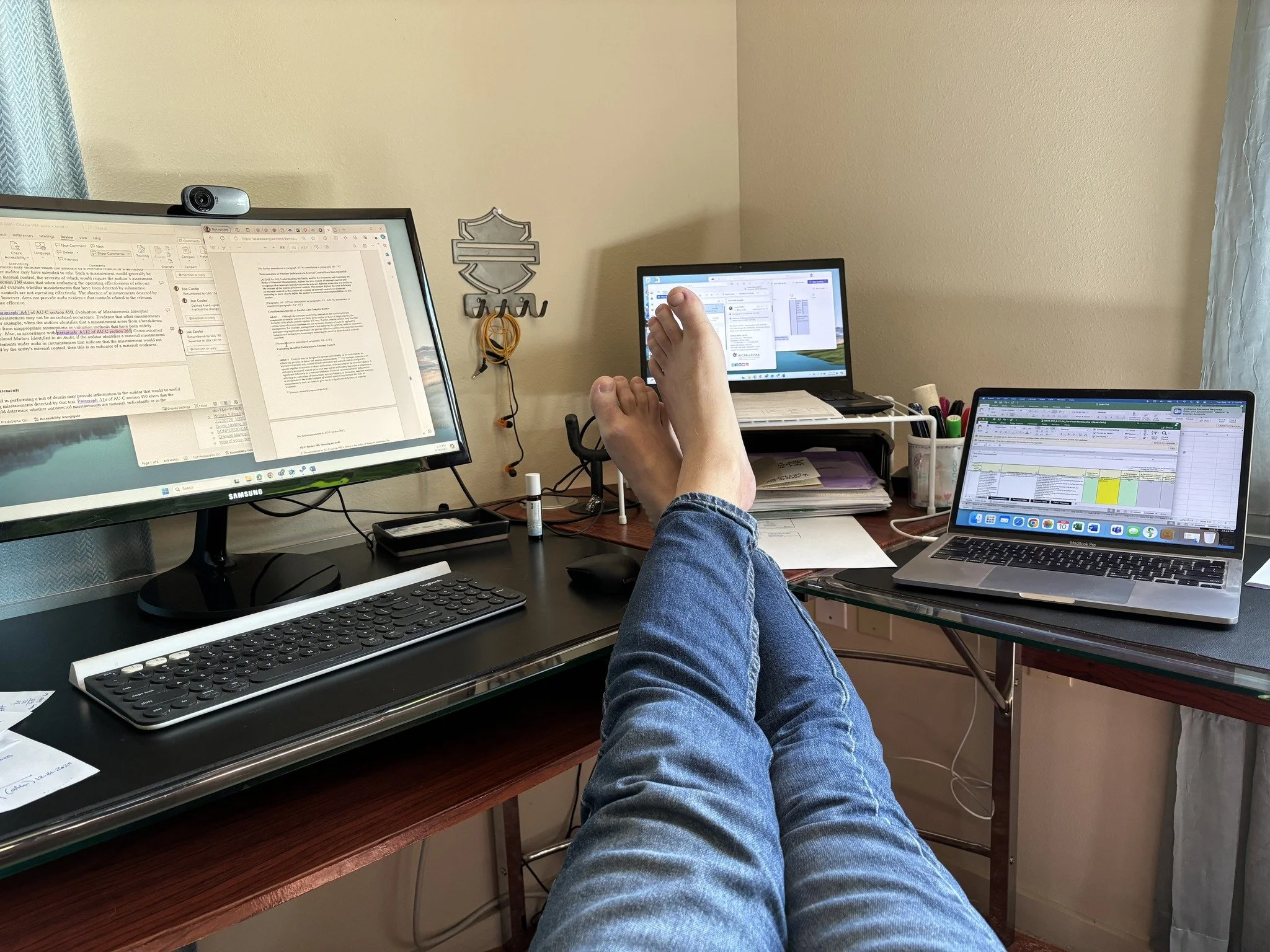
Here's my advice to myself and my fellow writers:
1. Redefine the problem
Most “writer’s block” in professional contexts isn’t creative paralysis—it’s usually:
Unclear requirements
Missing information
Unresolved decisions
Cognitive overload
Perfectionism too early in the process
In other words, it’s often a process failure, not a creative one.
2. Separate writing from thinking
Professionals rarely wait to fully understand before writing. They:
Write placeholders
Draft ugly
Outline aggressively
Capture partial truths
Progress beats polish—especially in technical domains.
3. Use constraints as tools
Professional writing environments impose constraints (templates, standards, voice guides, structures). These reduce decision fatigue, which is one of the biggest contributors to writer’s block.
Constraints are not creativity killers; they’re productivity enablers.
Technical writers, in particular, have advantages that creative writers often don’t:
The content exists outside your head (code, systems, SMEs, tickets)
Accuracy > originality
Clarity > elegance
Utility > inspiration
That means forward motion is usually possible by:
Asking better questions
Extracting information
Reorganizing known facts
Improving structure before prose
You can make progress even on low-energy days.
A useful framing is this: professionals don’t wait to feel unblocked; they use methods that work even when blocked.
That may include:
Switching tasks (outline instead of prose)
Writing notes instead of sentences
Editing existing content
Improving examples, diagrams, or structure
Scheduling interviews or gap‑finding reviews
This is still writing work, even if it doesn’t look like flowing paragraphs.
Bottom line
Can professional writers afford to suffer from writer’s block?
→ Only briefly, and only if they have systems to work through it.
Can they afford to ignore it or romanticize it?
→ No.
Writer’s block isn’t a personal failing—but managing around it is a professional responsibility.
Writer’s block is common—even for professionals—but it’s also manageable. The key is to treat it as a work problem, not a personal failing. Here are practical, proven ways to get unstuck, especially effective for professional and technical writers.
1. Identify what kind of block you’re experiencing
Most writer’s block isn’t “I can’t write,” but something more specific:
Clarity block → You don’t yet understand the subject or decision points
Scope block → The task feels too big or ill‑defined
Perfection block → You’re trying to write final‑quality prose too early
-Energy block → Mental fatigue, not lack of skill
Once you name the block, the solution becomes clearer.
2. Lower the bar—on purpose
Give yourself permission to write:
Badly
Incomplete
In bullets (like this!)
With placeholders like [confirm later]
Drafting is not publishing. Progress matters more than polish.
A messy draft is a success. A blank page is not.
3. Switch modes (don’t force prose)
If sentences won’t come, do adjacent work:
Create or refine an outline
List questions you need answered
Reorganize existing content
Edit or improve examples
Add headings, tables, or diagrams
This keeps momentum without requiring “flow.”
4. Externalize the thinking
Get the content out of your head:
Talk it through out loud (or dictate)
Explain it as if to a junior colleague
Write notes instead of sentences
Answer: What is this for? Who is it for? What should they do after reading?
Writing often follows thinking—not the other way around.
5. Use time‑boxed writing
Set a short, non‑negotiable window:
10–20 minutes
No editing
Stop when time is up
This reduces pressure and bypasses perfectionism. You can always revise later.
6. Shrink the task
IInstead of “write the document,” aim to:
Write one section
Write one paragraph
Write one example
Write one opening sentence (even a bad one)
Small wins restore confidence and momentum.
7. Separate drafting from editing
Trying to do both at once is a guaranteed block.
Draft fast, judge later
Editing is a different cognitive skill—save it for a different pass
8. Use structure as a scaffold
Templates, checklists, and standards aren’t limitations—they’re supports.
Standard headings
Reusable phrasing
Known patterns
When structure carries the load, your brain has less to fight.
9. Step away strategically
If you’re stuck after genuine effort:
-Take a short walk
-Switch tasks briefly
-Sleep on it (my favorite)
Breaks work best after engagement, not as avoidance.
10. Remember: this is a professional skill
For working writers, overcoming writer’s block isn’t about inspiration—it’s about process.
Professionals don’t wait to feel ready. They use systems that work even when they don’t.
A simple fallback rule:
If you’re blocked right now, do this next:
write the outline you wish already existed.
Everything else can grow from there.